:max_bytes(150000):strip_icc():format(jpeg)/simply-recipes-winter-soup-upgrade-lead-1-4c980b5146d8482fadc2b4f138c7cf79.jpg)
What’s one chef’s garbage is another chef’s umami powerhouse. Parmesan rind, packed with flavor but too tough to eat, often gets tossed in the trash. Yet it’s the secret to the richest, most savory winter soups, with zero extra effort.
Chock-full of savory, nutty depth, a cheese rind instantly elevates everything from simple chicken noodle soup to classic tortellini en brodo. Just toss a rind into the broth or base at the start, let it simmer as the soup cooks, and fish out the remnants before serving (just like a bay leaf). It takes no work, but the payoff is remarkable.
To get to the bottom of why this trick works so well, I talked to an expert: Michele Casadei Massari, R&D Culinary Lead of Parmigiano Reggiano Consortium.
How a Cheese Rind Adds Flavor to Dishes
Those tiny, crunchy crystals you sometimes spot in aged Parmesan—especially Parmigiano-Reggiano and Grana Padano—are called tyrosine crystals. They’re a natural part of the aging process and a hallmark of quality. As the cheese matures, enzymes break down milk proteins, releasing smaller peptides and amino acids like glutamates (the savory backbone of MSG) and tyrosine. This slow process creates complex flavor, aroma, and texture, starting at the outside and working in.
That means that the outermost part of the cheese—the rind—contains the highest concentration of savoriness. Beneath its tough exterior lies the deepest, most complex flavor. Massari explains that by simply simmering the rind in a soup or sauce, these umami crusaders infuse rich, round flavor into every bite, sip, and slurp.
Why the Parmigiano-Reggiano Rind Is the Best
While all types of Parmesan rinds add buttery depth to nearly any application, it’s worth splurging on the real deal: Parmigiano-Reggiano, the queen of tyrosine. Produced under strict Protected Designation of Origin (PDO) rules and aged a minimum of 12 months, its flavor is perfectly sharp and salty, with a nutty complexity no green can shaker could ever dream of.
Parmigiano-Reggiano must be made in specific regions of Italy (much like Champagne must come from Champagne, France). Sure, sparkling wine will do, but is it the best? That debate is for another article.
Simply Recipes / Adobe Stock
Soups That Love a Rind
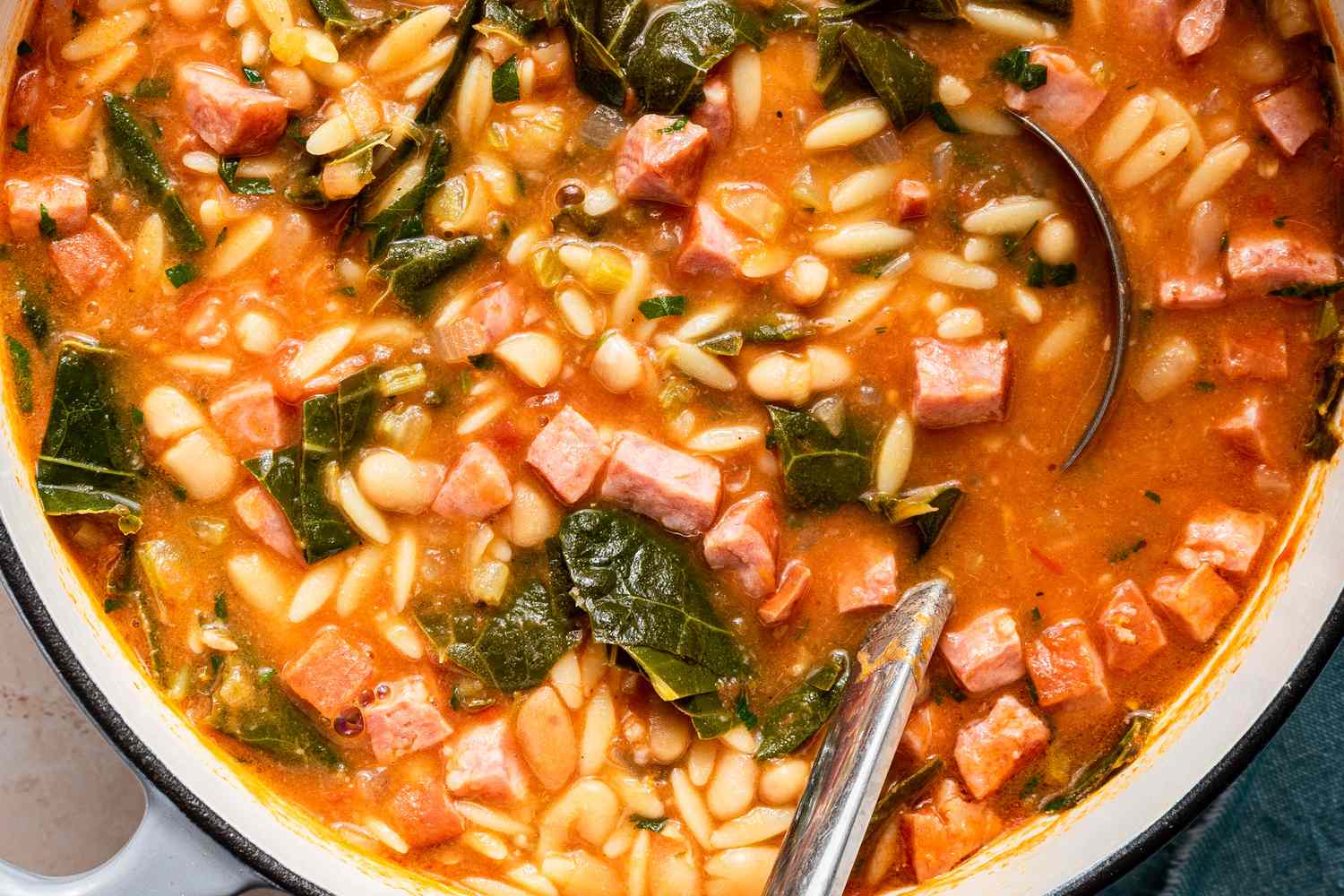
Parmesan rinds can enhance just about any soup, but some combinations feel like they were made for each other—minestrone con fagioli alla bolognese, case in point. This hearty, vegetable-packed soup from Emilia-Romagna is Massari’s favorite way to use the rind. Built on borlotti (cranberry) or cannellini beans, it gains remarkable depth from a long-simmered Parmigiano-Reggiano rind. He recommends finishing the soup with extra-virgin olive oil, “and if the rind turns melty and soft, dice it and add it to the soup.”
But why stop at Italian soups? Creamy chestnut and mushroom gains an extra layer of richness, amplifying the sweet, nutty notes of the chestnuts and giving the mushrooms—true umami masters—an extra boost. Classic tomato soup, sweet and acidic by nature, benefits from a savory anchor dropped right into the pot, grounding the flavors and adding body. Elegant potato leek soup, with its subtle sweetness, picks up a gentle umami counterpoint that perfectly balances the flavors.
Simply Recipes / Getty Images
Pro pointer: Parmesan rinds release flavor slowly, making them ideal for long-simmering recipes. They still work in quicker soups, but try to give them at least 20 minutes to work their magic.
I always keep a gallon-size zip-top bag of Parmesan rinds in the freezer. Whenever you finish a wedge (which happens frequently in my house), toss the rind in the bag instead of the trash. These flavor-packed nuggets are ready for action at a moment’s notice; no need to thaw. Once you start using Parmesan rinds, you’ll wonder how you ever made winter soup without them.


Leave a Reply