:max_bytes(150000):strip_icc():format(jpeg)/Simply-Recipes-Stir-Fried-Napa-Cabbage-LEAD-2-a80fd19dffd64955b3a1cd6102cf53a8.jpg)
- This quick, four-ingredient Cantonese side dish is affordable, versatile and comes together in less than 20 minutes.
- This recipe highlights napa cabbage’s natural sweetness and satisfying crunch.
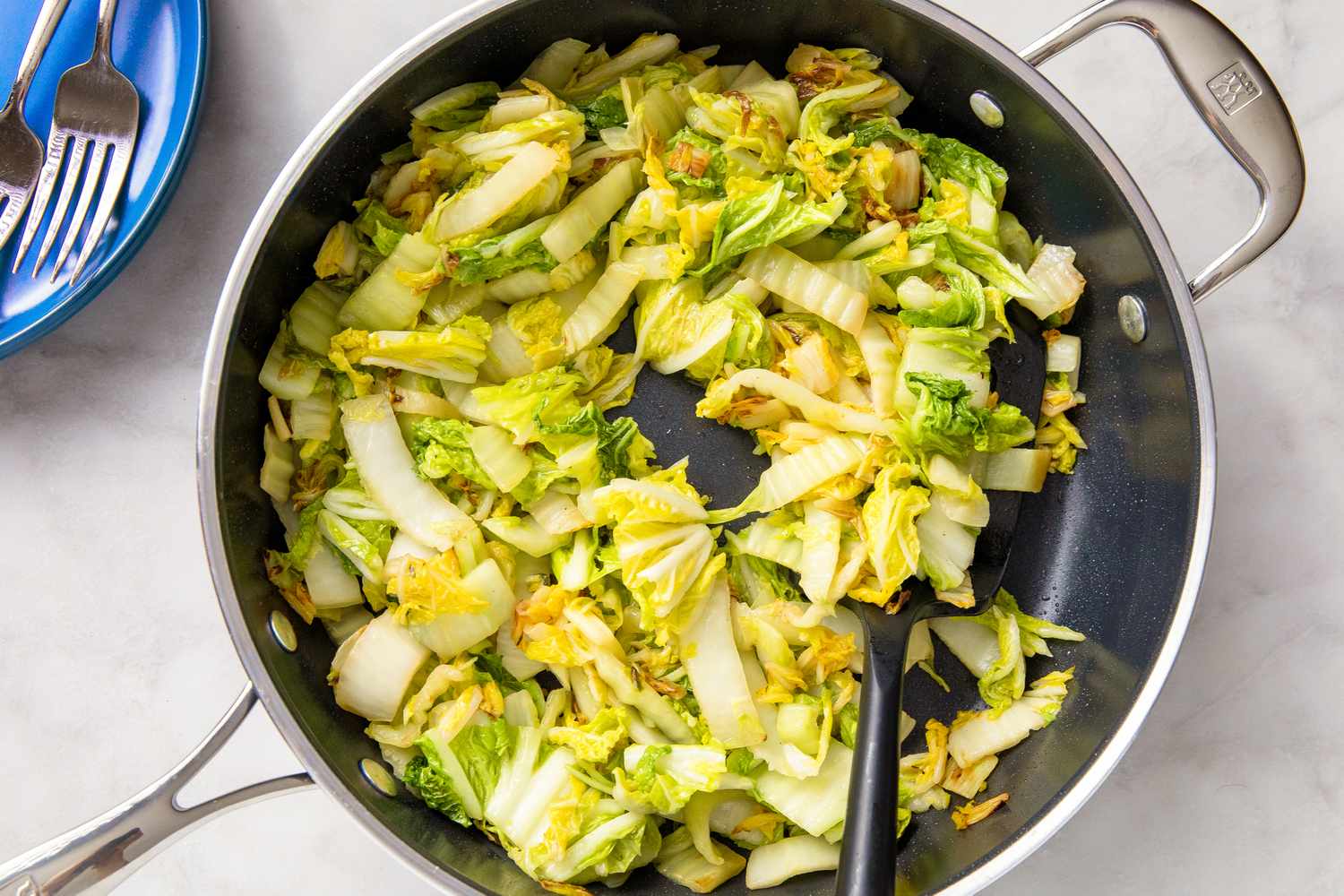
- Separating stems from the cabbage leaves ensures seared crunch and tender greens in every bite.
If you’ve ever ordered roasted meats like char siu or roast duck over rice at a Chinese restaurant, you may have noticed a simple vegetable side next to it: stir fried napa cabbage. This is one of those rare dishes where minimal effort brings out the natural sweetness and flavor of a humble ingredient.
At first glance, it may look like a filler or a stand-in for bok choy, but napa cabbage has a personality all its own. The crisp white stems give a satisfying crunch, while the tender centers turn sweet and soft during cooking. The leaves cook down quickly and release their juices, adding another layer of texture to every bite.
Simply Recipes / Frank Tiu
Napa Cabbage: A Versatile, Affordable Veggie
This quick stir fry is a Cantonese barbecue shop favorite not only because it tastes good, but because it’s also practical and affordable. The dish comes together in minutes and can be made in large batches, which is why it’s so common in Chinese restaurants.
Napa cabbage is also one of the most budget-friendly vegetables around. It stores well in the refrigerator for three to four weeks and offers generous volume with its many layers, delivering excellent value.
With its dark green outer leaves and pale yellow core, napa cabbage provides a range of textures and flavors in one ingredient. While I’m all for minimizing food waste, I usually remove and discard the outer two leaves. They tend to be gritty, tough, and sometimes full of holes, so it’s worth letting them go.
To wash the cabbage thoroughly, I cut it lengthwise, then rinse between the layers where grit and sand like to hide. Washing it this way keeps the process organized and contained.
Simply Recipes / Frank Tiu
The Best Way to Cook Napa Cabbage
As with any stir fry, the key is to cook the cabbage in stages so it has room to sear instead of steam. The space in the pan helps excess moisture evaporate and keeps the dish from becoming watery. You can use a wok, sauté pan, or any wide pan with sides at least two inches high and a broad base that makes steady contact with the heat source.
Because the stems and leaves cook at different rates, it’s best to chop and separate them before cooking so everything finishes at the same time. I like to divide the cabbage roughly in half—separating the leafy tops and the thicker white base—just like you would separate scallion greens from whites.
Even though this recipe comes together quickly, it’s important to wait to season it until the very end. Unlike most stir fries, where you season as you go, you’ll want to hold off on adding the chicken bouillon until the cabbage is mostly cooked. The bouillon contains sodium, which naturally softens the cabbage and draws out its moisture, so waiting helps to preserve its crisp texture and prevents it from weeping excess liquid. Finish with a drizzle of toasted sesame oil for a nutty aroma, but use it sparingly since it can easily overpower the dish.
Serving Suggestions
This versatile side dish can go with just about anything, but I especially love it with dishes that embrace classic Chinese flavors like char siu chicken, orange chicken, or mapo tofu.
Simply Recipes / Frank Tiu


Leave a Reply